February 2, 2023 · Ashley Bae · 5 min read
How to Choose the Best Seafood: A Beginner's Guide
The Essential Guide to Purchasing Seafood: What to Look For and Avoid
One Fish, Two Fish; Red Fish, Fresh Fish?
Buying seafood can be daunting and tricky…at least at first. To be sure you're obtaining a high-quality product, there are a few important factors to take into account. Your trusty fishmongers (us) are here to walk you through some details to pay attention to. TL;DR: When in doubt, just ask! We won’t bite (usually).
Appearance
The appearance of seafood is a significant consideration since it may offer valuable hints about its quality and freshness. Even if a fish has been frozen at sea (FAS), you want to be sure that it’s still in mint condition when you’re purchasing it.
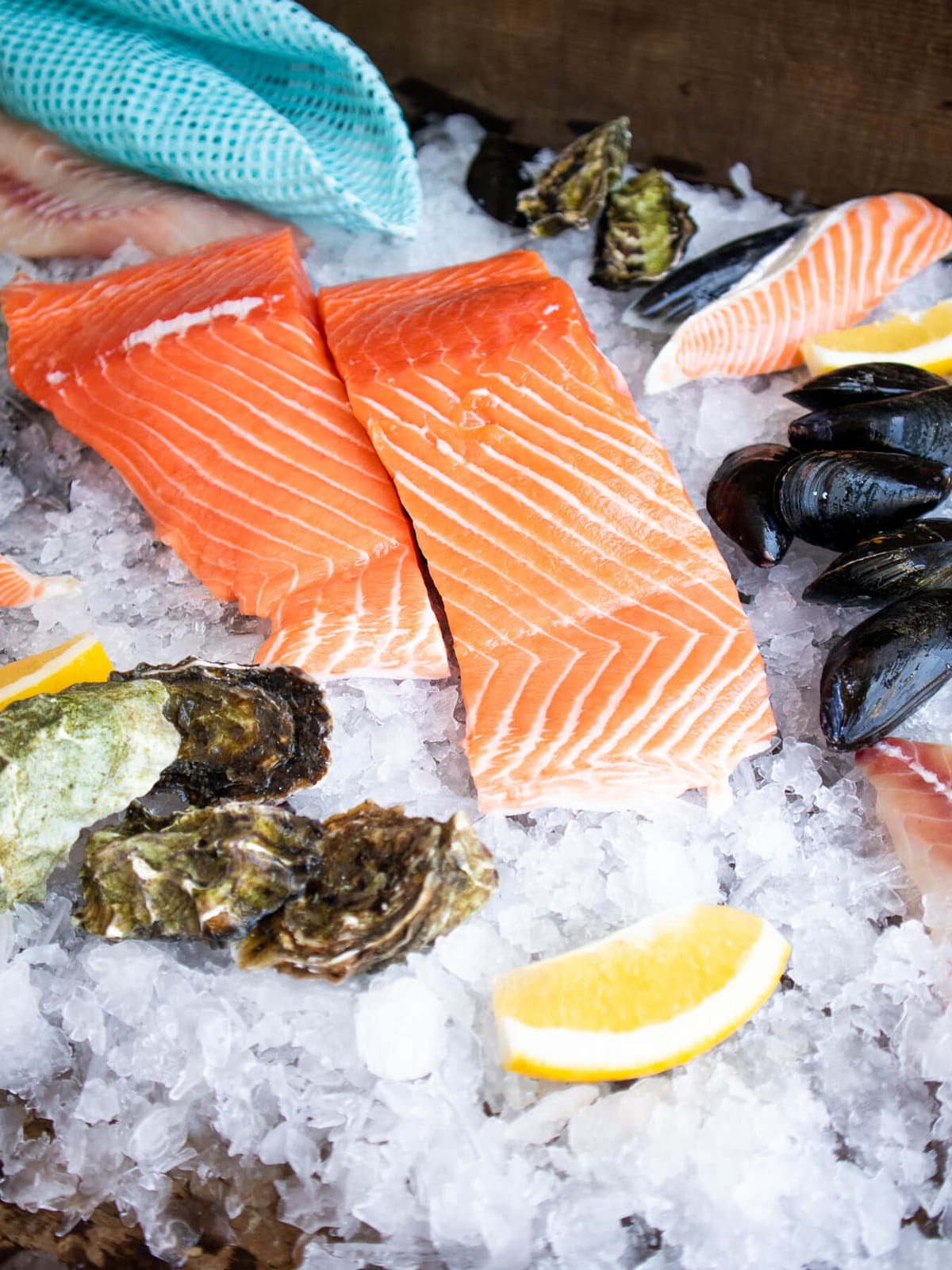
Generally speaking, you want the color of a fish to be bright. Just like when buying a pack of salad leaves, it’s always disheartening to see wilting or browning greens. However, assessing color alone can be tricky. While filets themselves might be dyed to enhance coloration and to belie freshness, there are some tips to evaluate a fish when it’s still whole.
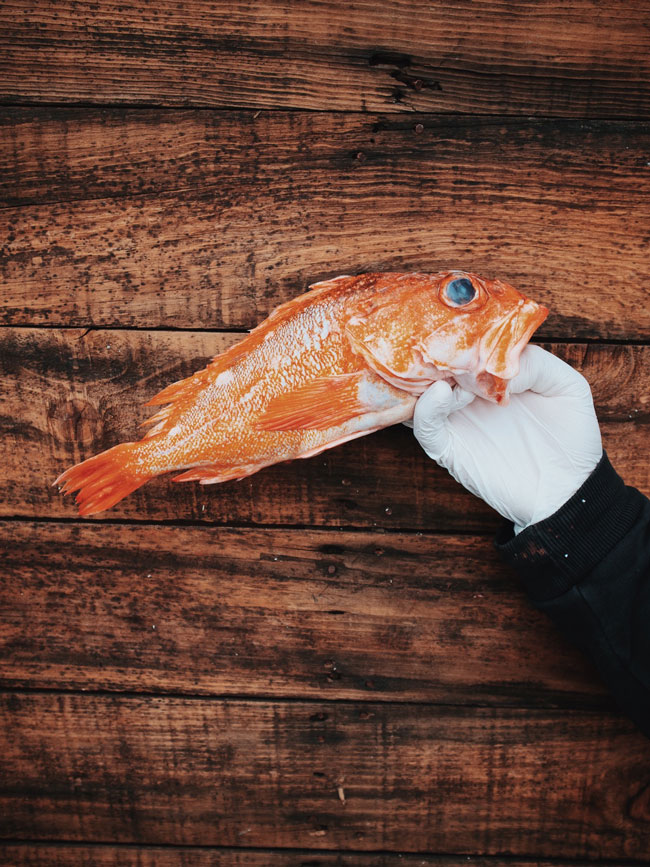
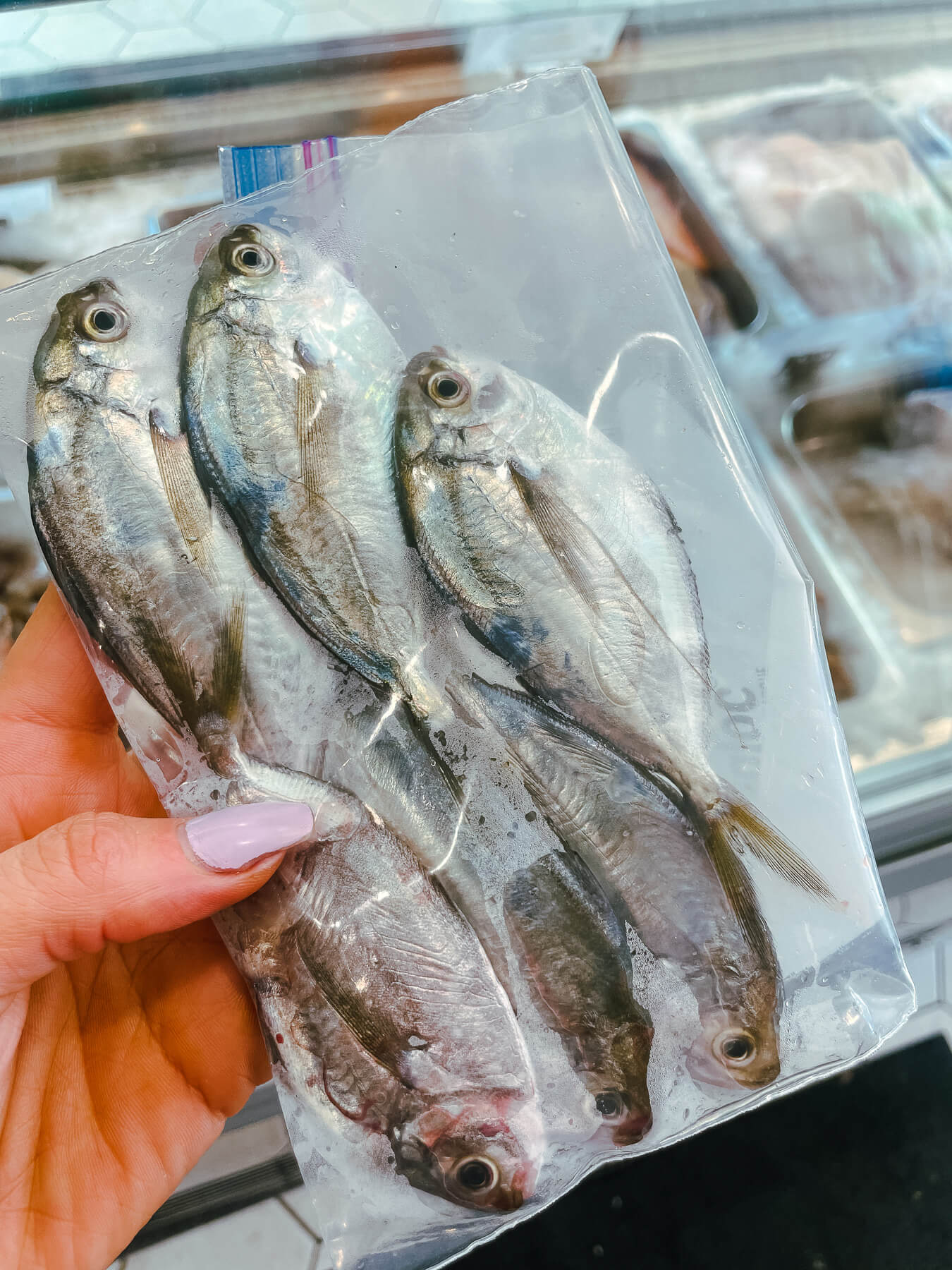
First, check a fish’s eyes to make sure they are clear and shiny. Murkiness is a no no here. Gills are another good indicator of quality. If you can see the gills of a fish, make sure they’re red. When fish are first caught, gills are blood red, quite literally because of the presence of blood vessels that sit close to the surface. The longer a fish sits out of water, the more discolored and dry the gills will appear. If you can touch the product, make sure the flesh is firm too.
Tuna is one sort of seafood that might be particularly difficult to judge just on color. When fresh, some tuna varieties, including Bluefin and Bigeye, can have a rich red hue. Rather deceptively, some tuna may be carbon dioxide gassed in order to brighten or even darken the red hue.
It is important to note that this may improve the appearance of tuna flesh, but it may also change the fish's flavor and texture for the worse. To spot gassed tuna, look for fish that have a vivid, almost fluorescent red hue. You can also ask your fishmonger where they source their tuna from and if it has been gassed if you have any doubts.
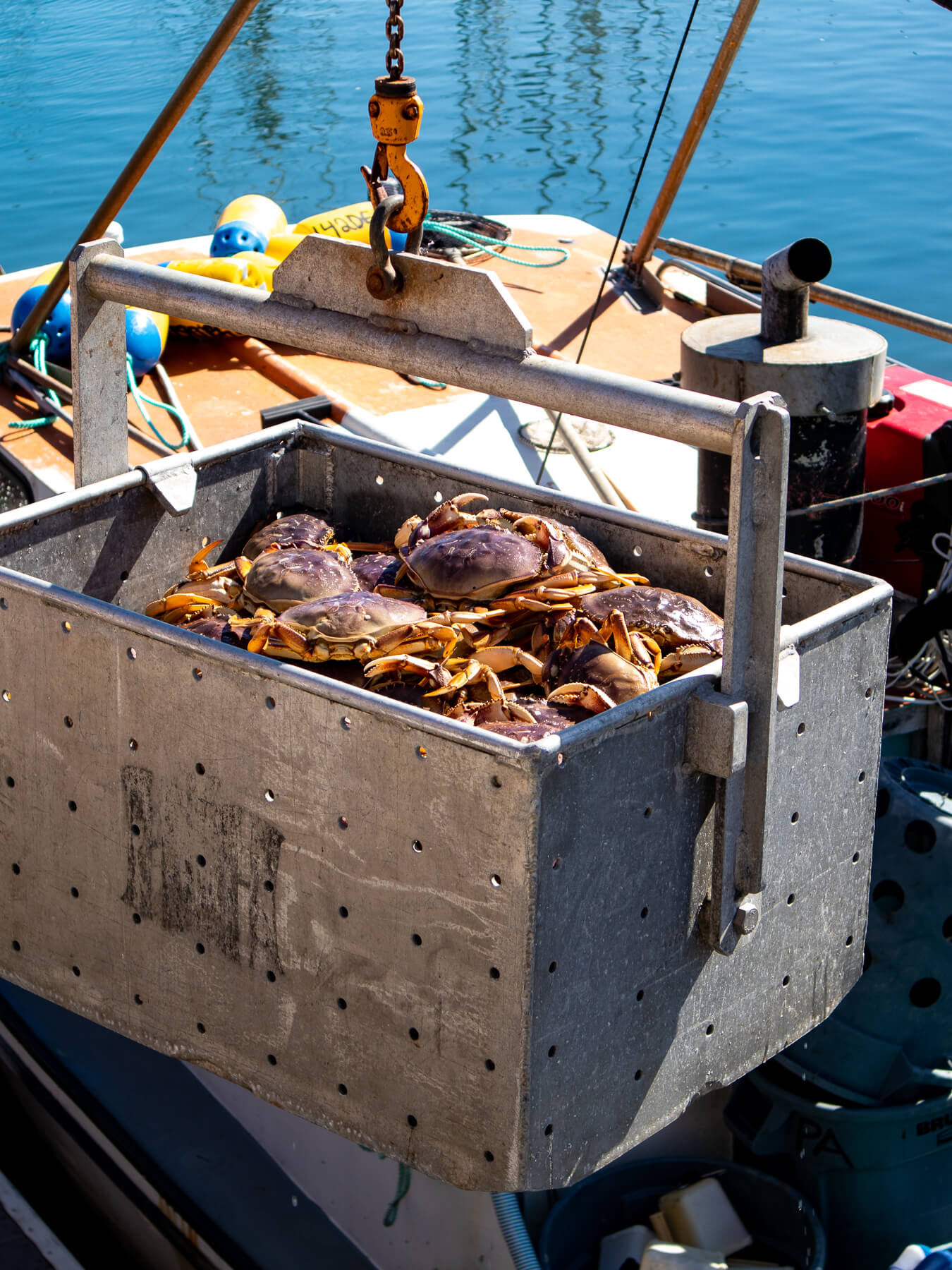
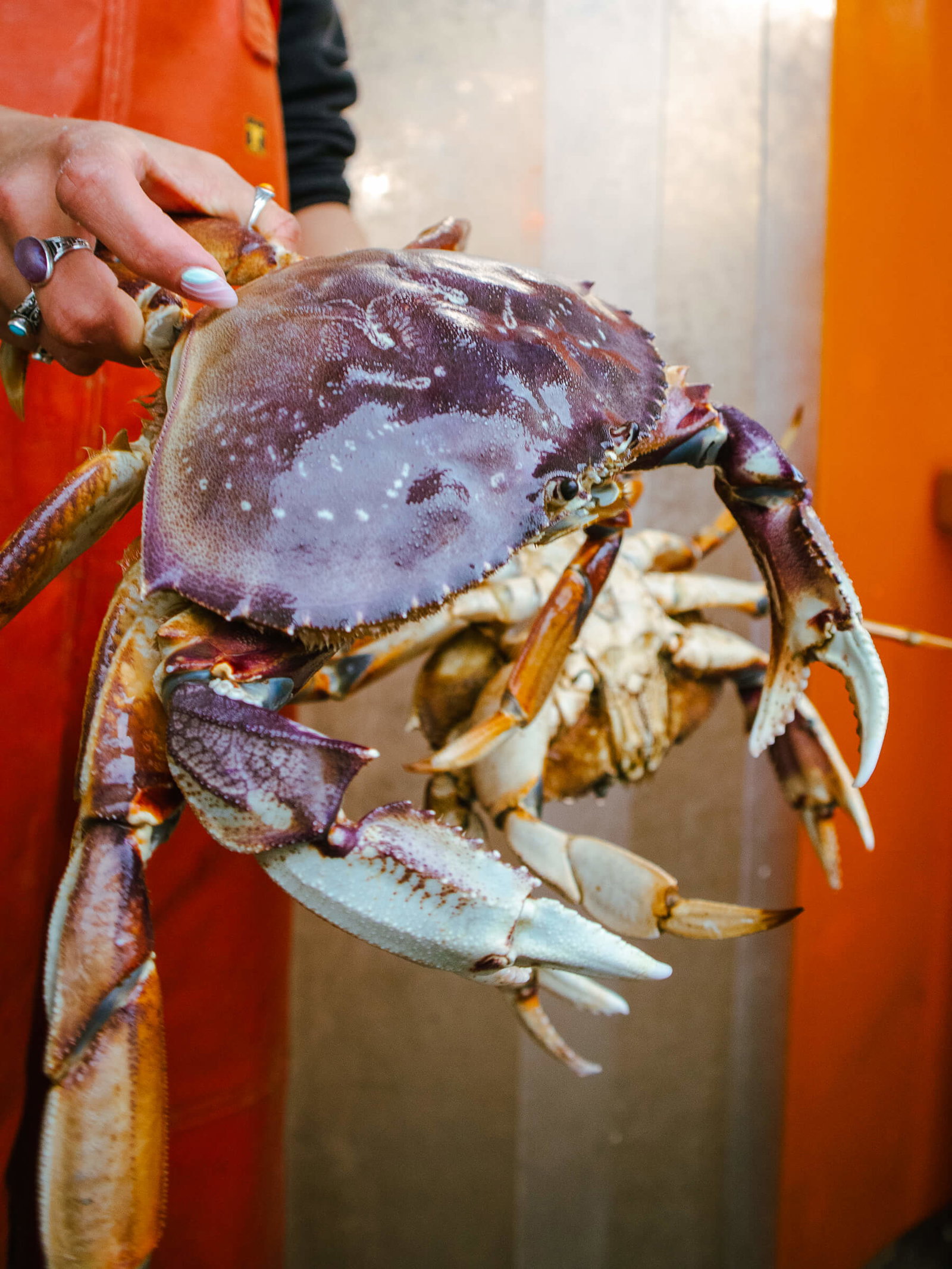
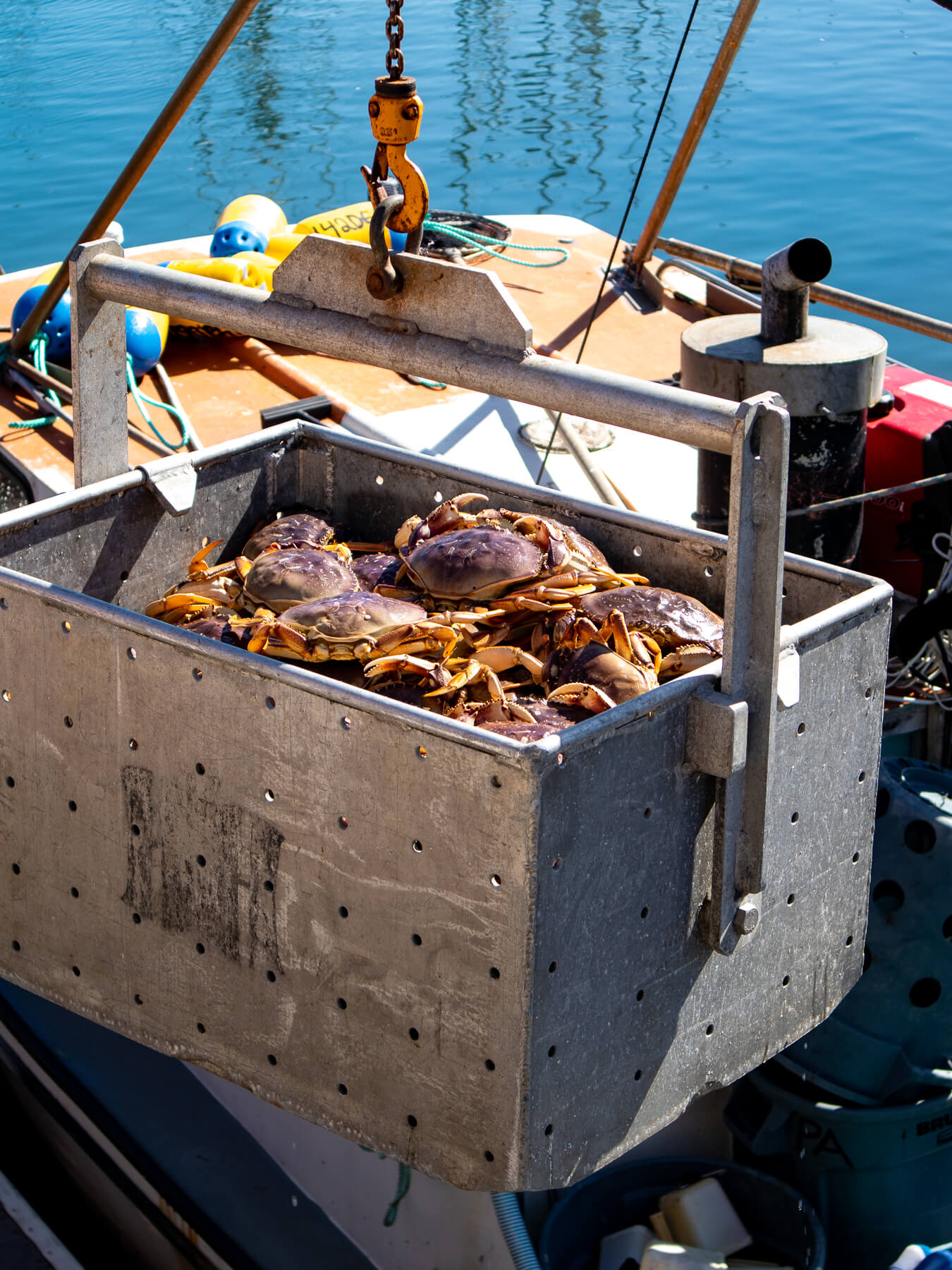
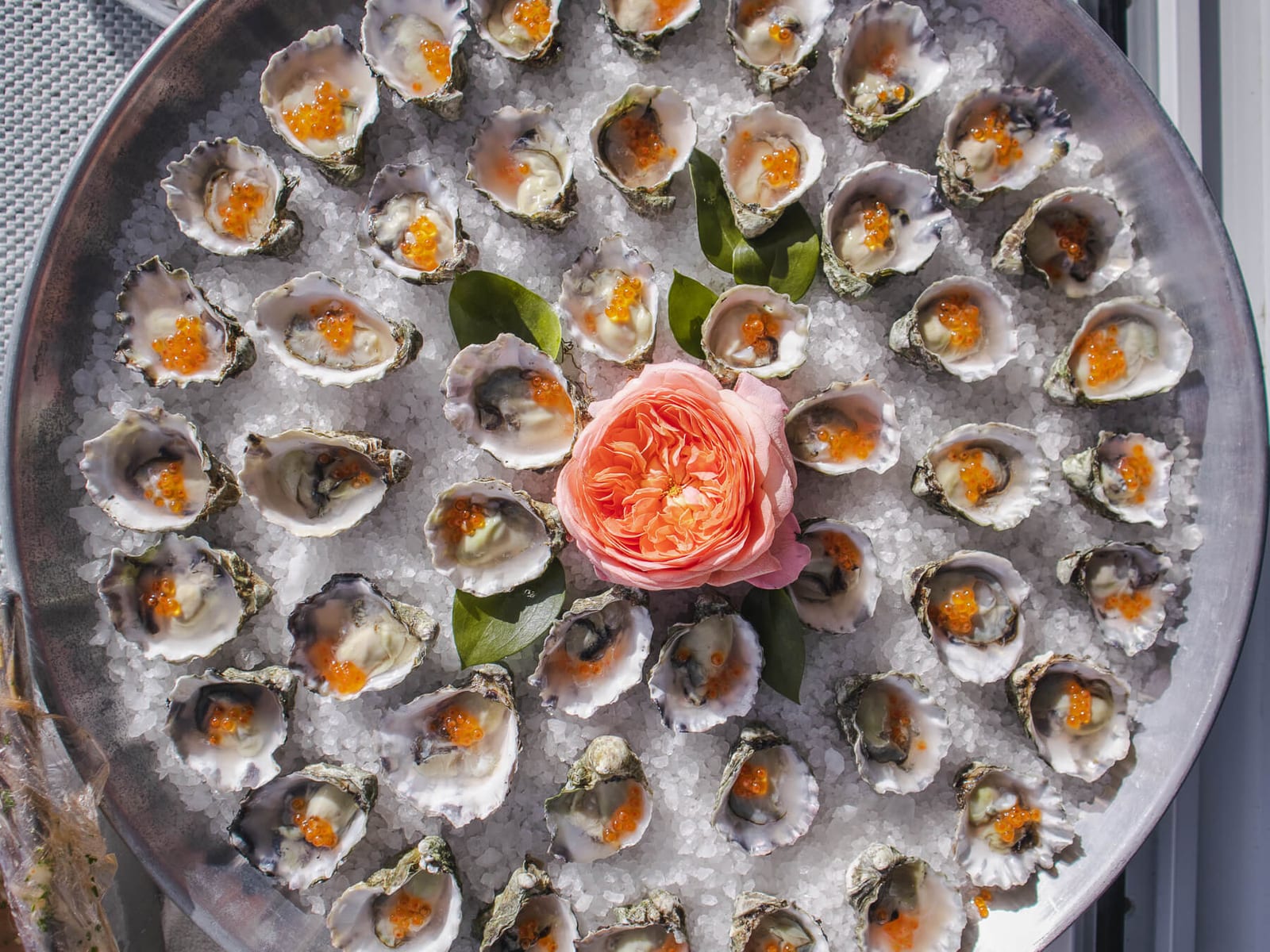
There are some tips that are shellfish-specific as well! First, shellfish can be purchased live. So long as you see some movement and store the shellfish properly (keep cold—we repeat, keep cold!), this is often the best option and you can cook them at your leisure. You can read the label or tag on the shellfish bag or the shellfish itself to identify the processor’s certification number. This certification tells you that shellfish were harvested and processed according to national safety rules. As you might do for any other food item, don’t consume broken or cracked shellfish. Toss those right out! Like all seafood, it’s also always a good sign if the product is kept in a refrigerated display or on ice.
The Nose Knows!
Determining freshness also involves a large amount of scent. Here at the shop, we often say, "The nose knows." You can determine with a single whiff if your seafood is still fresh or not. Fresh fish should smell faintly of the ocean, but not of an overwhelming “fishy” smell. This can actually be a sign of spoilage. This is especially true with shellfish, which, if improperly handled, may go downhill rapidly. When purchasing shellfish, choose ones that are kept in a refrigerated display or on ice. At our shop, this shouldn’t be a problem :).
What’s In A Label?
Selecting seafood that has been harvested responsibly may help safeguard not only the health of our oceans, but also good fishing methods and the availability of seafood for future generations. If you're worried about how your seafood selections may affect the environment or social responsibility, look out for some sustainability certifications and “private standards,” per the UN’s Food and Agriculture Organization (FAO). Labels such as the Marine Stewardship Council (“MSC”), or Aquaculture Stewardship Council (“ASC”) can be helpful markers of good practices.
Please note that products with these eco-certifications are not the only responsibly-sourced items out there. Private standards and eco-labels are a useful mechanism for large retailers especially, and they’re definitely helpful when you’re in a rush at the supermarket. However, the rigor of these labels is highly variable and small-scale producers (like us, for example!), take care and time to provide sustainable, responsibly-sourced seafood that hasn’t gone through third-party certifications.
Side note: If you are interested in learning more about the current state of certifications and ratings for fisheries and farmed fish, see this neat interactive tool–last update released Winter 2022–that was developed by the Seafood Certification and Ratings Collaboration.
Speak with a Worker or Fisherman
Don’t be afraid to approach a worker or fishmonger for assistance if you need guidance on what to look for. Feel free to ask about the seafood you're considering. Nobody knows useful details like the sourcing, freshness, and best ways to prepare it better than the person selling it.
We hope these suggestions will enable you to choose the freshest, high quality seafood in your area. At H&H Fresh Fish, we’re committed to giving our customers the best seafood we can get our hands on. We are dedicated to providing local products whenever possible and take pride in the quality we present to you (and eat ourselves)! We are always delighted to serve you and respond to your inquiries. Please browse our inventory online or come see us at our main store in Santa Cruz or any of our Farmers Market stands. You can see all our locations here. We look forward to helping you!
Hungry yet?
Everything we have in this week is on one page. We're at the harbor seven days a week too, and always happy to talk fish.